
How We Use AI to Reverse Engineer What Wins in Court
Start with the ruling. Work backwards to the complaint, discovery plan, and evidence that made the outcome possible.

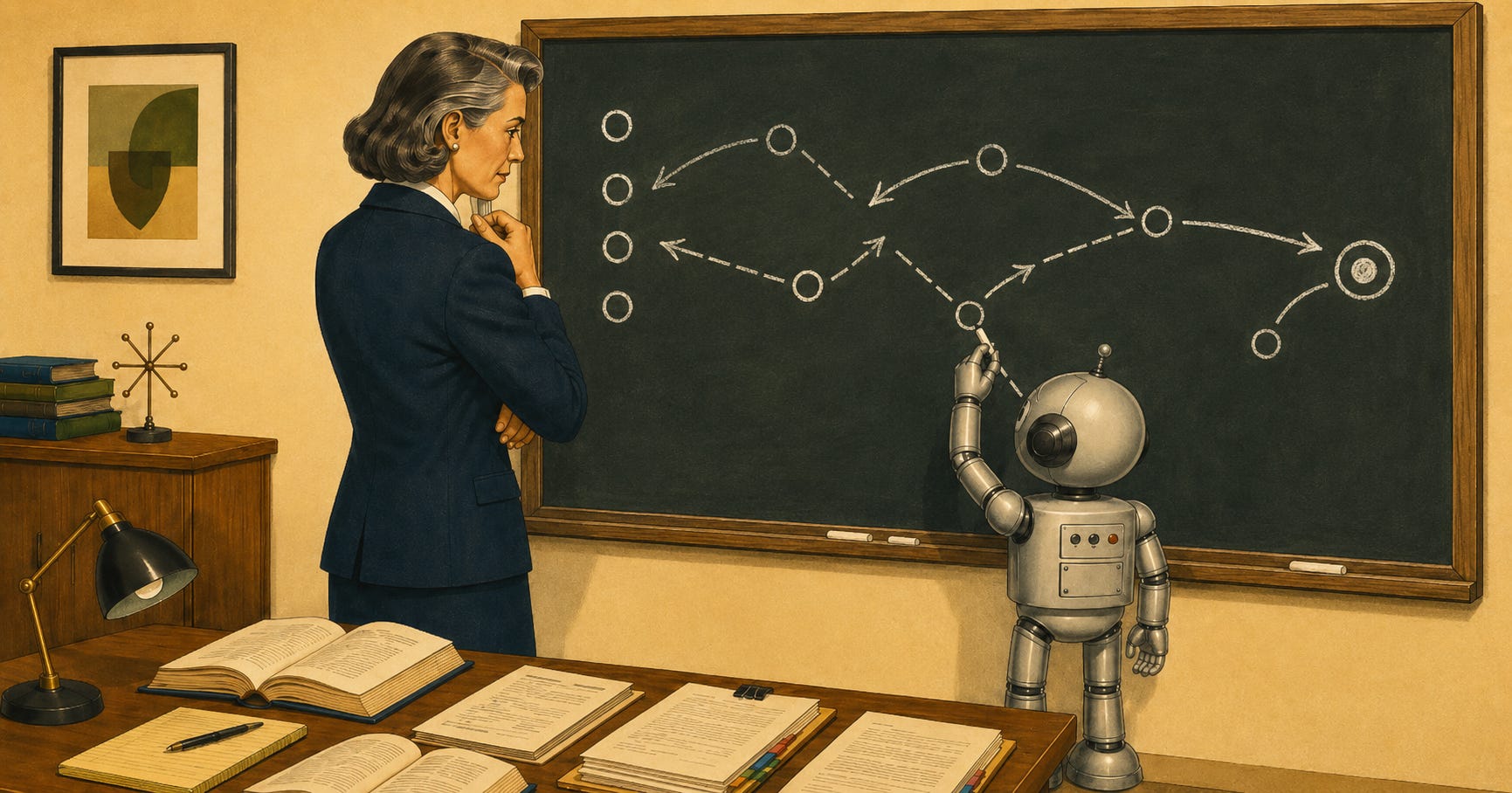
Every senior attorney gives young lawyers some version of the same advice: when you get a new case, read the jury instructions first. Start with the end in mind.
Before you draft the complaint, understand what you eventually have to prove. Before you send discovery, understand what evidence you will need at summary judgment. Before you take the deposition, understand the record you are trying to build.
The advice has always been right.
The problem is that most lawyers apply it from experience and memory. A senior litigator has seen enough cases to know where the traps are. A younger lawyer is still finding them the hard way.
AI lets us apply that same reverse-engineering method across a large set of actual court rulings.
For the elder abuse pilot, we did not start with a practice guide. We started with the rulings. Demurrers. Motions for summary judgment. Then we worked backwards.
Start with demurrers. Work backwards to better complaints.
A demurrer ruling tells you what the court thought was missing.
Not in theory. Not in a CLE outline. In an actual case, with an actual complaint, in front of an actual judge.
So we asked: When elder abuse complaints lost at demurrer, why?
The patterns showed up quickly.
In elder abuse cases, complaints got into trouble when they alleged bad care but did not plead facts showing recklessness. Or when they described neglect but did not clearly establish the custodial relationship. Or when they sought heightened remedies without connecting the misconduct to a managing agent. Or when the complaint told a disturbing story but left gaps in causation, survival damages, or statutory requirements.
In your practice area, the details will be different.
But the method is the same.
Look at the demurrers. Identify the arguments courts are accepting. Then draft complaints that already account for those arguments because you have seen them win and lose in comparable cases.
The goal is not longer complaints. The goal is better-targeted complaints.
Start with summary judgment. Work backwards to discovery.
Summary judgment rulings are even more useful.A summary judgment ruling tells you what evidence mattered when the court finally tested the record.
So we asked: When plaintiffs survived summary judgment, what facts created triable issues? And when they lost, what was missing? Again, the patterns were not subtle.
In elder abuse cases, some rulings turned on whether the plaintiff had evidence of repeated neglect, not just a single bad outcome. Some turned on whether the record connected corporate conduct to the resident’s injury. Some turned on whether the plaintiff had admissible expert testimony. Some turned on whether the defendant’s separate statement actually carried its burden.
Once you know what evidence matters at summary judgment, you can work backwards to discovery.
If repeated neglect matters, the discovery plan needs to reach the records that show repeated neglect.
If corporate knowledge matters, the discovery plan needs to identify who knew what, when they knew it, and what they did or failed to do.
If expert testimony matters, the discovery plan needs to build the factual foundation the expert will need before the MSJ opposition is due.
Again, your practice area will have different issues and different discovery needs.
But the principle is the same: You do not wait until summary judgment to discover what evidence you wish you had. You use summary judgment rulings to design the discovery plan from the beginning.
The larger point
Trial-court rulings are full of practical litigation intelligence.
They show what judges actually do with complaints, discovery disputes, summary judgment records, separate statements, evidentiary objections, and all the other day-to-day decisions that rarely make it into appellate opinions.
AI tools let us review those rulings at scale.
That lets us identify what mattered, then map backwards to the earlier choices that produced the outcome.
That is how you use AI to reverse engineer what wins in court.
To see how we applied these methods to creating playbooks for elder abuse cases, see
our four FREE guides:
Take a look — and please forward this to anyone litigating elder abuse cases in California state court.
What’s next
Elder abuse was the pilot. We are applying the same method to two new areas: commercial disputes in California state courts and employment law cases in the Central District of California.
Same reverse engineering. Different rulings.
If either of those is your area, you’re up.
BAN AI COMPLETELY! I NEVER WANTED AI! I DON'T Trust AI!