
The Data Source Your Competitors Gave Up On

In most practice areas, agencies publish far more decisions and guidance than any attorney can realistically review — and the signal-to-noise ratio is brutal.
From time to time, something important is buried in that noise: a standard changes, an enforcement pattern shifts, a precedent is set. Most attorneys find out about it later — from their client, or worse, from opposing counsel.
A triage system that filters out the routine and flags what matters puts you ahead of competitors who gave up on the source altogether.

Here’s an example from the mining industry — but I’m sure you can think of one from your practice area.
There’s a regulatory database of decisions from the Federal Mining Safety and Health Review Commission that most mining attorneys have quietly stopped monitoring.
Not because it doesn’t matter. Because reading through FMSHRC administrative decisions is mind-numbing.
Here’s what most of them look like: MSHA inspector issues a citation. Operator challenges it. ALJ rules against them. Operator misses the appeal deadline — usually for some variation of “my office didn’t process the paperwork in time.” The Commission sighs, says fine, you can file late. Next case.
Decision after decision after decision. The same procedural loop. After a while, you stop looking.
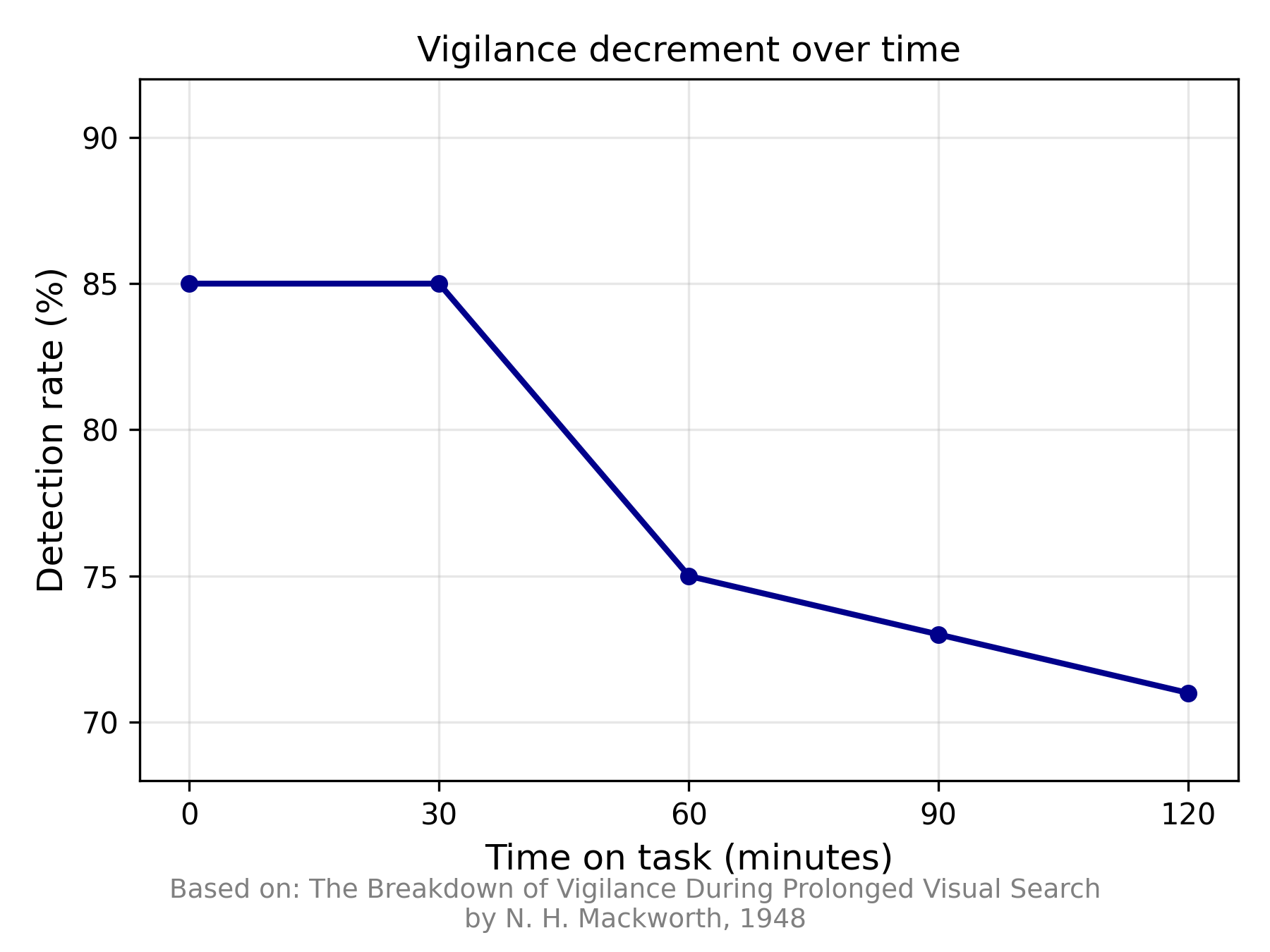
That’s a mistake.
The Case
Then one day, buried in that same feed, the Commission reverses an ALJ decision in Secretary v. Nally & Hamilton Enterprises — and quietly changes the standard for what counts as an adequate safety inspection.
The details are specific to surface mining. The impact isn’t. Every operator covered by that standard now has new obligations they didn’t have before. And if you’d stopped reading FMSHRC decisions six months ago — like most attorneys — maybe you found out about it from your client — or from opposing counsel.
The Pattern
Every specialized practice has a source like this. High volume, low signal, genuinely important decisions scattered among procedural noise. The economics don’t work for a human reviewer — you can’t justify the hours to find the one decision in fifty that matters.
But the economics work perfectly for a triage system. The system reads everything. It flags what shifts a standard, redefines a term, or breaks from established patterns. It also tracks the routine decisions for patterns — which judges grant extensions under what circumstances, how often particular violations get reduced.
That’s intelligence you can use in litigation strategy. But only if someone — or something — is actually reading all of it.
What to Ask
If you’re responsible for regulatory monitoring in a specialized practice:
1. Which high-volume sources have you stopped reviewing — and what’s the actual risk of missing something?
2. Could changes in routine decision patterns (judge behavior, agency enforcement trends) affect your litigation strategy?
3. What would it take to review *everything* in those sources — and what would that intelligence be worth?
The Point
The competitive advantage isn’t just having better lawyers. It’s reading what the other side gave up on.
The Mining Legal Radar is live. You can see it here.
We’re showing it with mining law because that’s where we started. But the architecture works for any practice area where developments scatter across multiple sources — which is most of them.
Want to see what this looks like for your practice? Email me at adam@lawsnap.com or click here to schedule a short, no-pressure call.